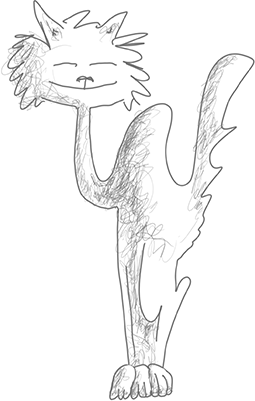
Minouche
Becki MapplebeckBecki Mapplebeck
I’m a printmaker and linocut artist living between the North York Moors and the Yorkshire coast—a landscape that’s endlessly inspiring and central to my creative practice.
I create handmade linocut prints that reflect my love of nature, storytelling, and seasonal change. My work often explores the plants, animals, and folklore of the Yorkshire countryside, with a focus on the small details that make the natural world so magical. I’m also drawn to broader environmental themes like endangered species and the impact of climate change.
I originally studied Applied Arts at the University of Derby, and after graduating, I became a secondary school teacher—a role I’ve continued part-time for over 20 years. For a long time, I worked across a variety of creative media, but everything changed when I rediscovered linocut printmaking. I immediately fell in love with the process—the slow carving, the bold marks, the surprise of the first print—and I’ve been developing my skills ever since.
I now work from my seaside studio, where I design, carve, and print each piece by hand. I also run linocut workshops for small groups, sharing the joy of printmaking with others.
Whether I’m walking the moors with a sketchbook or printing at my inky table, I’m always looking for ways to connect with nature and tell its stories through print.